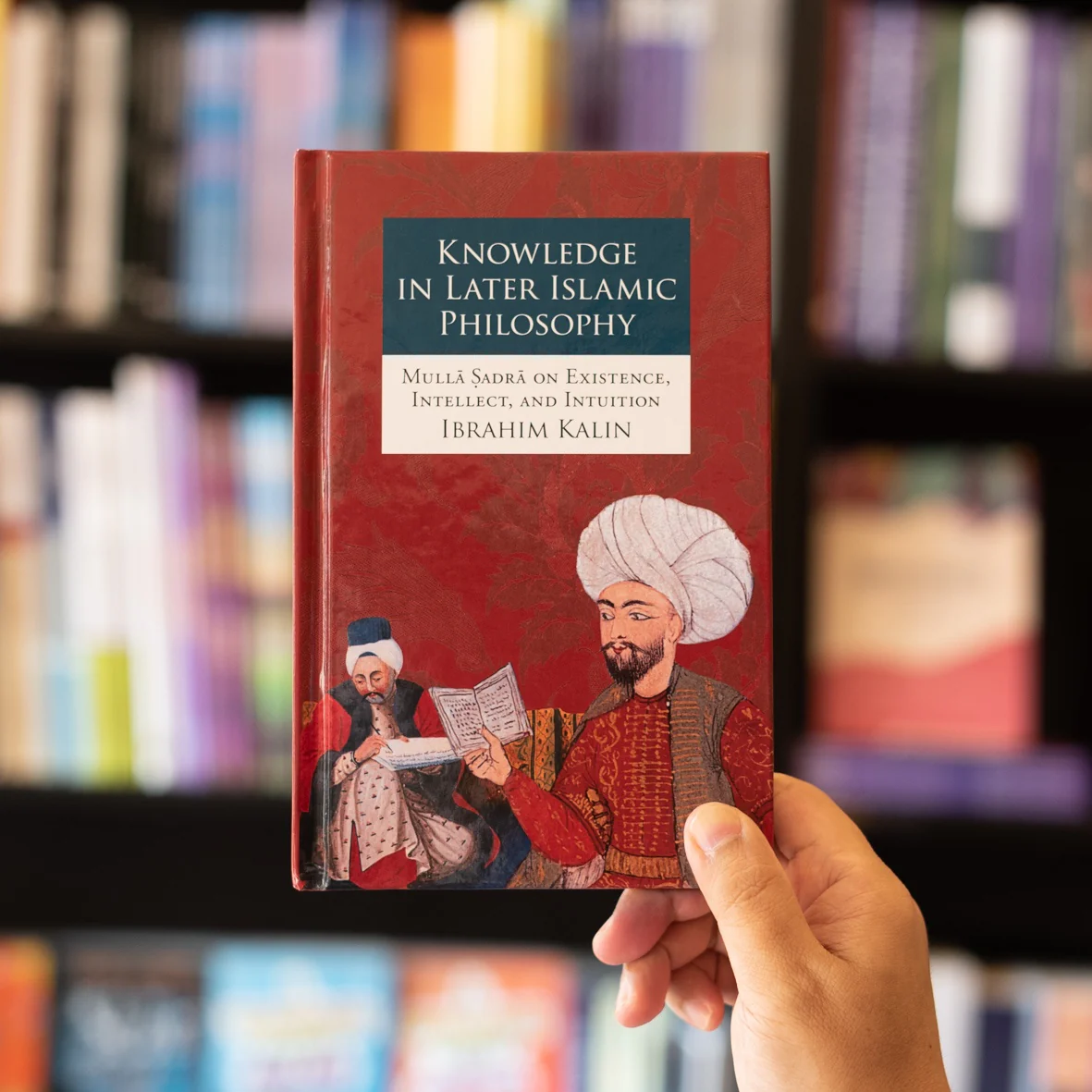

Knowledge in Later Islamic Philosophy
Ibrahim Kalin
Hardback, 344 pages
9780199735242
Mulla Sadra on Existence, Intellect, and Intuition
This study looks at how the seventeenth-century philosopher Sadr al-Din al-Shirazi, known as Mulla Sadra, attempted to reconcile the three major forms of knowledge in Islamic philosophical discourses: revelation (Qur'an), demonstration (burhan), and gnosis or intuitive knowledge ('irfan). In his grand synthesis, which he calls the 'Transcendent Wisdom', Mulla Sadra bases his epistemological considerations on a robust analysis of existence and its modalities. His key claim that knowledge is a mode of existence rejects and revises the Kalam definitions of knowledge as relation and as a property of the knower on the one hand, and the Avicennan notions of knowledge as abstraction and representation on the other.
For Sadra, all these theories land us in a subjectivist theory of knowledge where the knowing subject is defined as the primary locus of all epistemic claims. To explore the possibilities of a 'non-subjectivist' epistemology, Sadra seeks to shift the focus from knowledge as a mental act of representation to knowledge as presence and unveiling. The concept of knowledge has occupied a central place in the Islamic intellectual tradition.
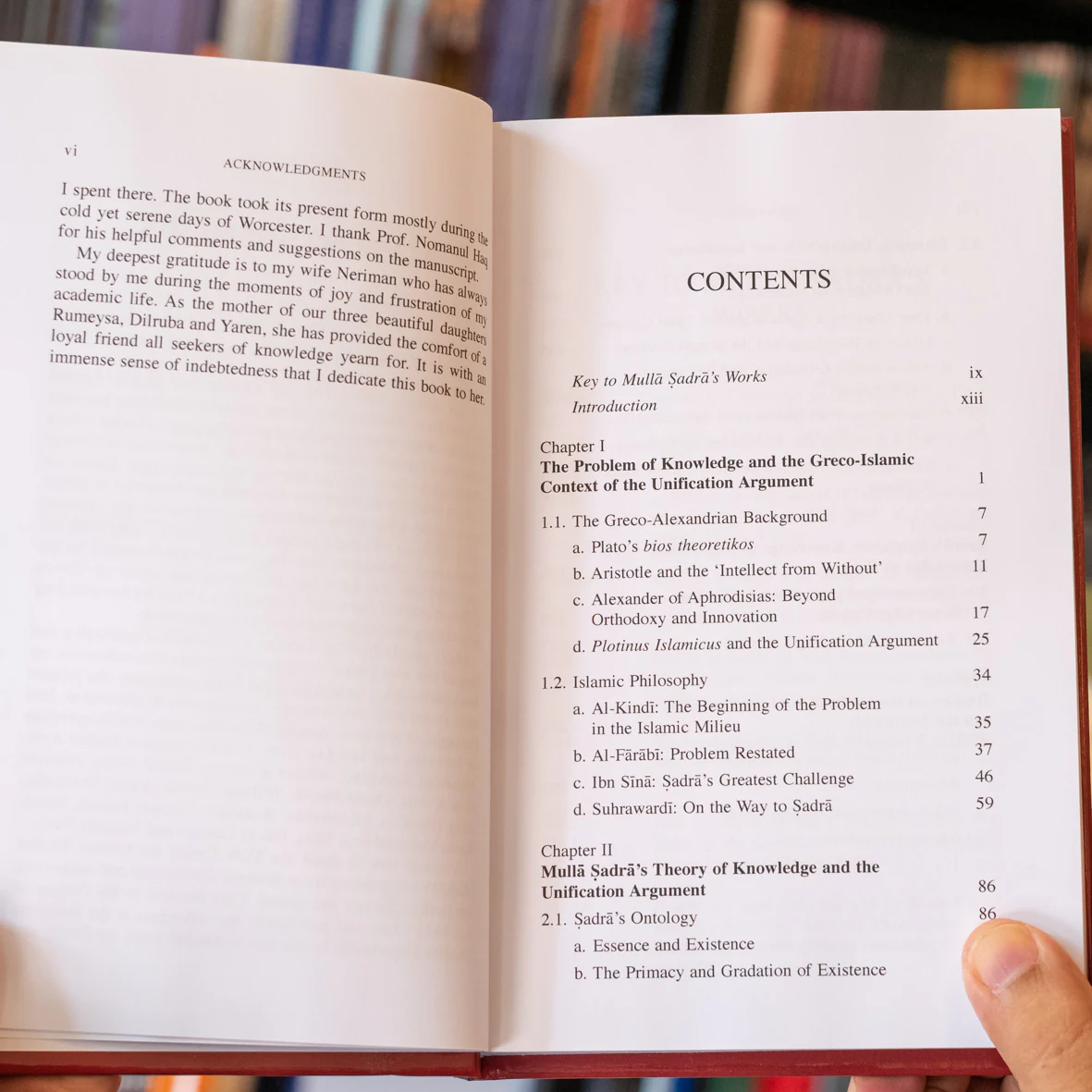
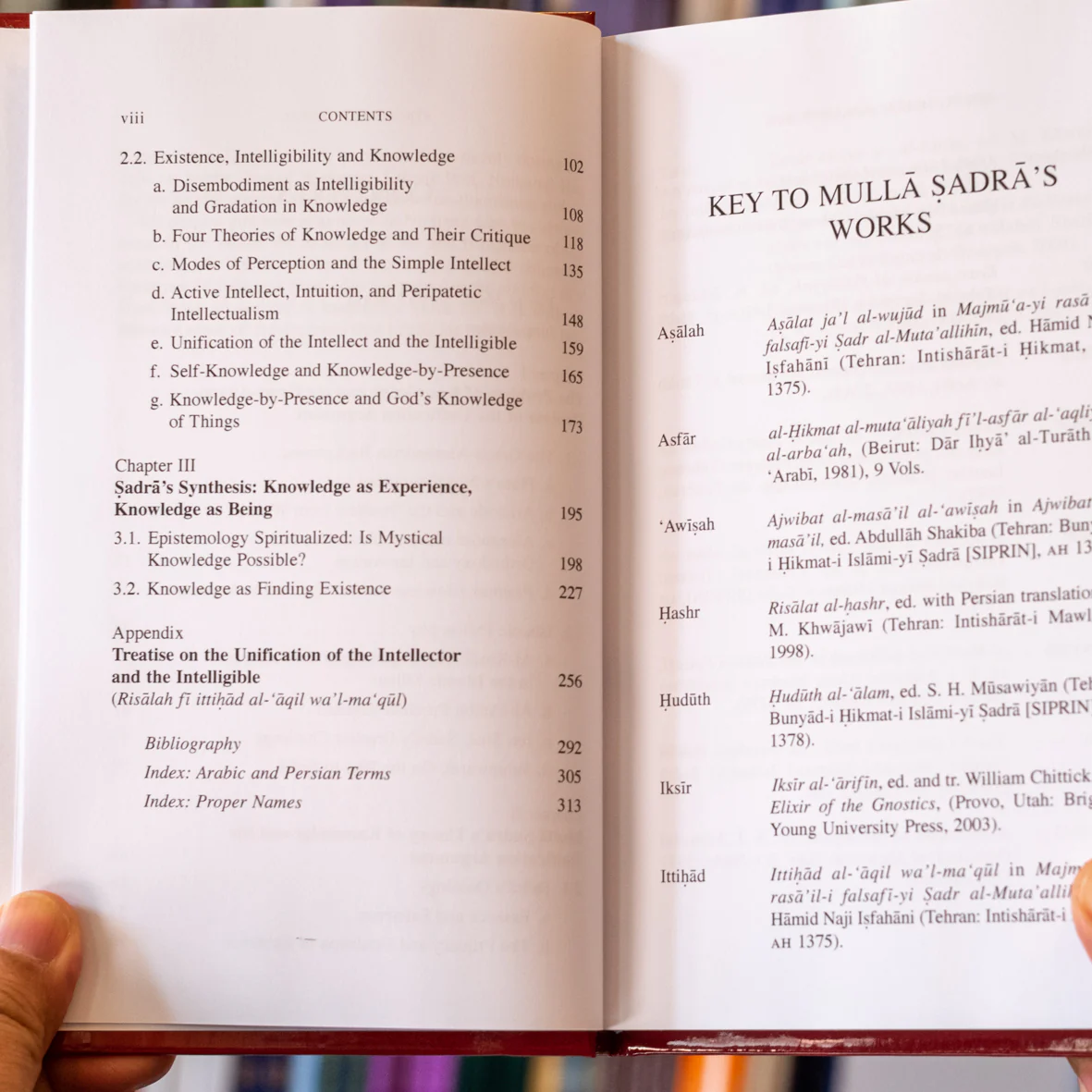
Contents
1. The Problem of Knowledge and the Greco-Islamic Context of the Unification Argument
- The Greco-Alexandrian Background
- Islamic Philosophy
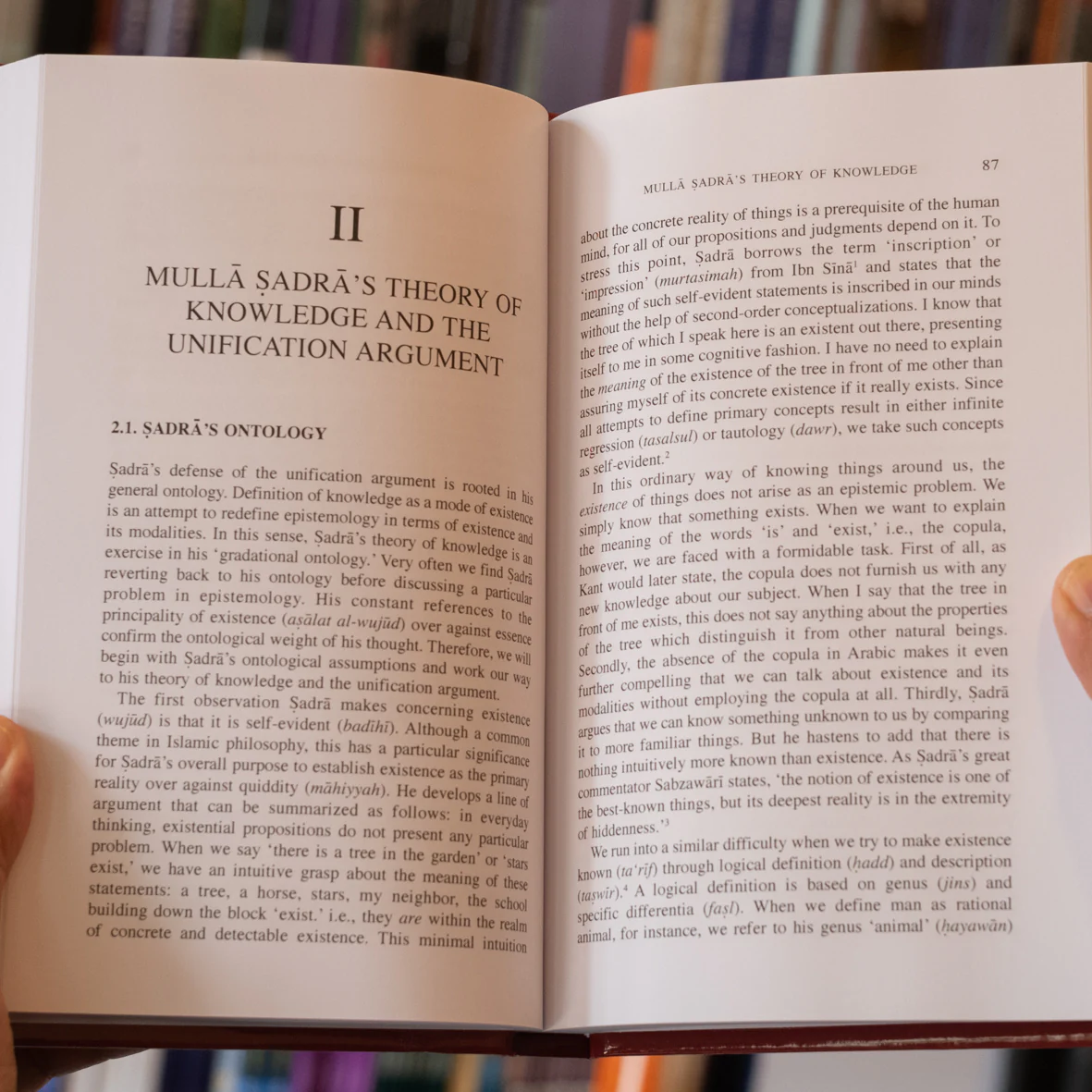
2. Mulla Sadra's Theory of Knowledge and the Unification Argument
- Sadra's Ontology
- Existence, Intelligibility and Knowledge
3. Sadra's Synthesis: Knowledge as Experience, Knowledge as Being
- Epistemology Spiritualised: Is Mystical Knowledge Possible?
- Knowledge as Finding Existence
Appendix: Treatise on the Unification of the Intellector and the Intelligible
Original: $115.52
-70%$115.52
$34.66Product Information
Product Information
Shipping & Returns
Shipping & Returns
Description
Ibrahim Kalin
Hardback, 344 pages
9780199735242
Mulla Sadra on Existence, Intellect, and Intuition
This study looks at how the seventeenth-century philosopher Sadr al-Din al-Shirazi, known as Mulla Sadra, attempted to reconcile the three major forms of knowledge in Islamic philosophical discourses: revelation (Qur'an), demonstration (burhan), and gnosis or intuitive knowledge ('irfan). In his grand synthesis, which he calls the 'Transcendent Wisdom', Mulla Sadra bases his epistemological considerations on a robust analysis of existence and its modalities. His key claim that knowledge is a mode of existence rejects and revises the Kalam definitions of knowledge as relation and as a property of the knower on the one hand, and the Avicennan notions of knowledge as abstraction and representation on the other.
For Sadra, all these theories land us in a subjectivist theory of knowledge where the knowing subject is defined as the primary locus of all epistemic claims. To explore the possibilities of a 'non-subjectivist' epistemology, Sadra seeks to shift the focus from knowledge as a mental act of representation to knowledge as presence and unveiling. The concept of knowledge has occupied a central place in the Islamic intellectual tradition.
Contents
1. The Problem of Knowledge and the Greco-Islamic Context of the Unification Argument
- The Greco-Alexandrian Background
- Islamic Philosophy
2. Mulla Sadra's Theory of Knowledge and the Unification Argument
- Sadra's Ontology
- Existence, Intelligibility and Knowledge
3. Sadra's Synthesis: Knowledge as Experience, Knowledge as Being
- Epistemology Spiritualised: Is Mystical Knowledge Possible?
- Knowledge as Finding Existence
Appendix: Treatise on the Unification of the Intellector and the Intelligible