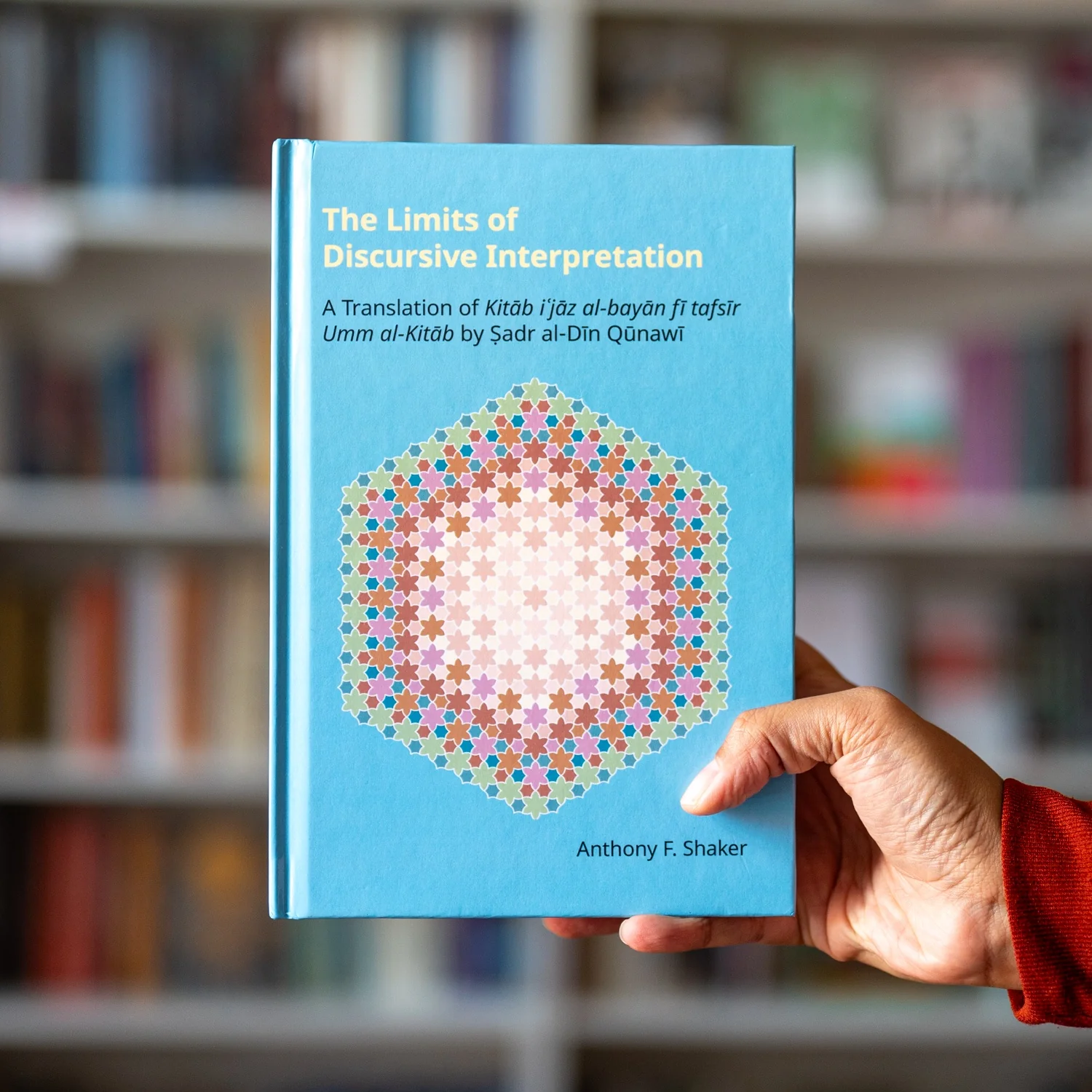

The Limits of Discursive Interpretation
Anthony F Shaker
Hardback, 558 pages
9781800504165
A Translation of Kitab I'jaz Al-Bayan Fi Tafsir Umm Al-Kitab by Sadr Al-Din Qunawi
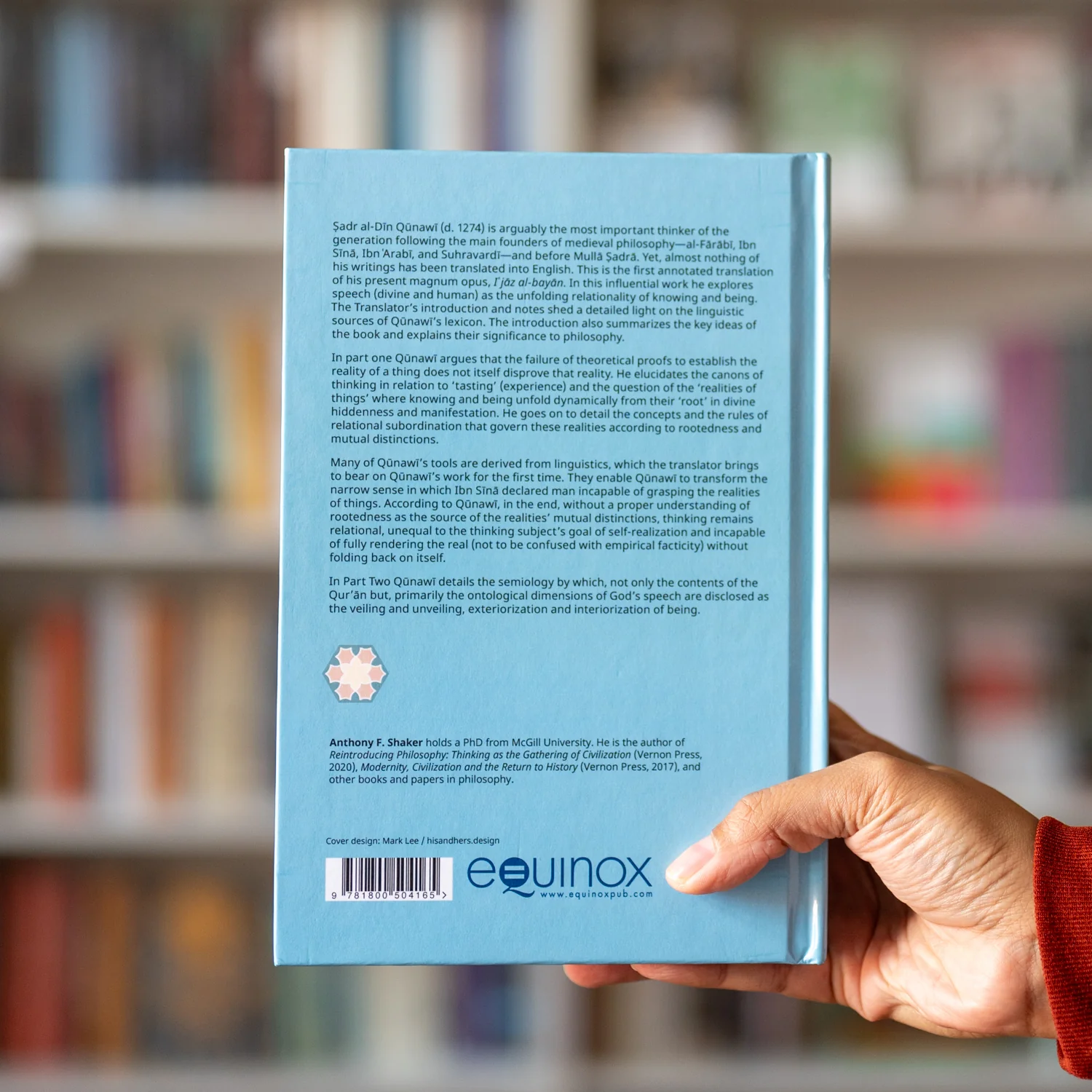
Sadr al-Din Qunawi (d. 1274) is arguably the most important thinker of the generation following the main founders of medieval philosophy--al-Farabi, Ibn Sina, Ibn 'Arabi and Suhravardi--and before Mulla Sadra. Yet, almost nothing of his writings has been translated into English.
In this influential work he independently explores speech (divine and human) as the unfolding relationality of knowing and being. This is the first annotated translation of his magnum opus The Limits of Discursive Interpretation. The Translator's introduction and notes shed a detailed light on the linguistic sources of Qunawi's lexicon.
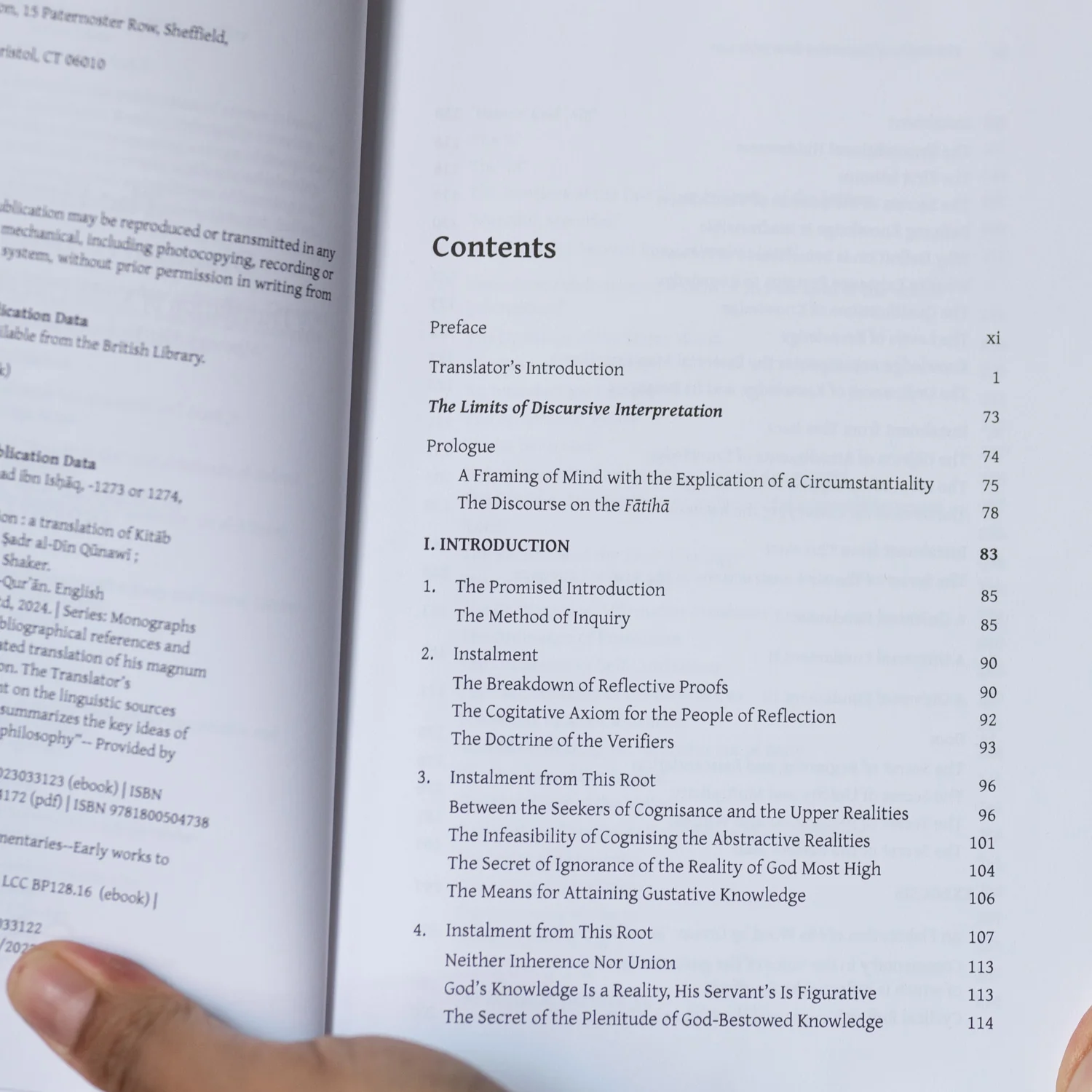
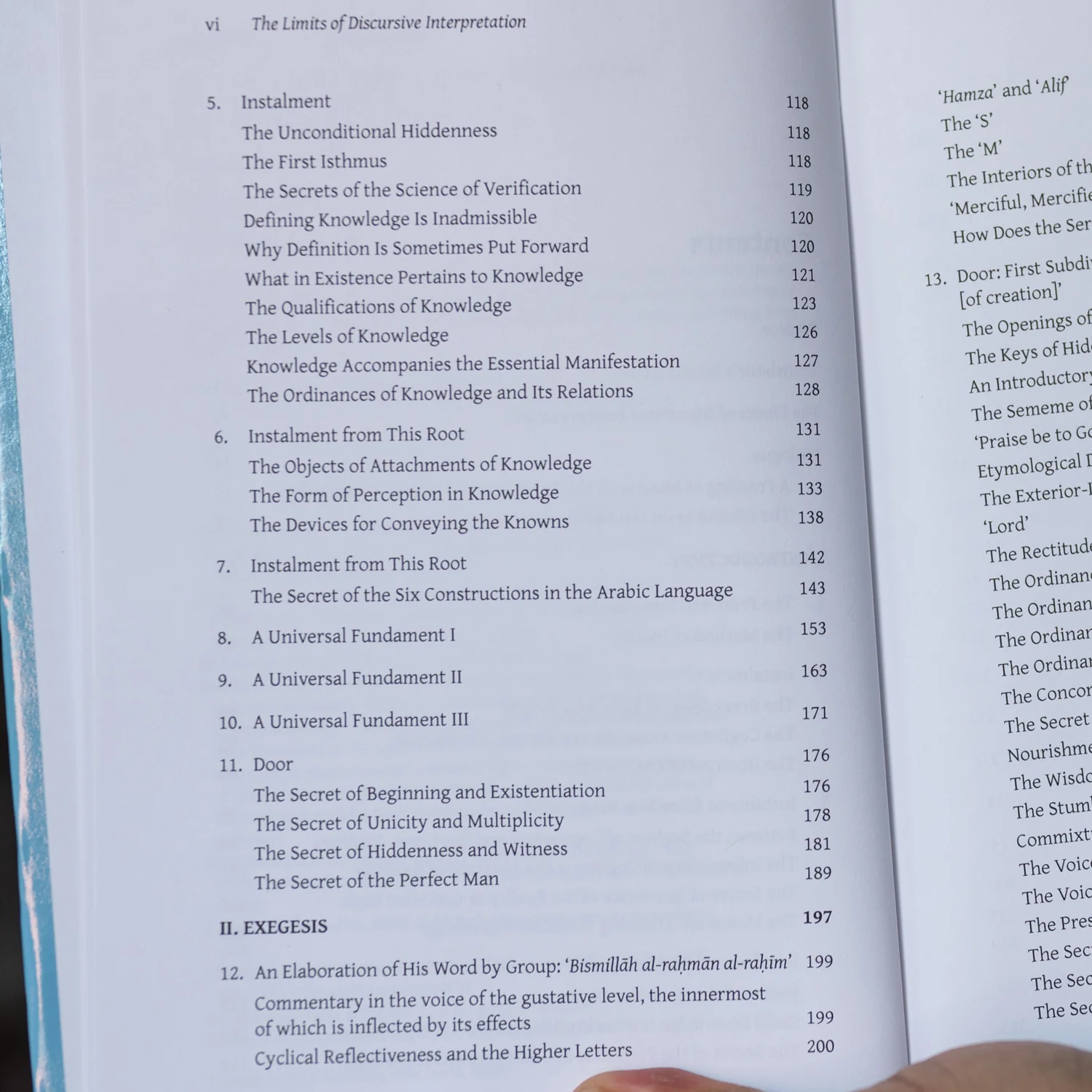
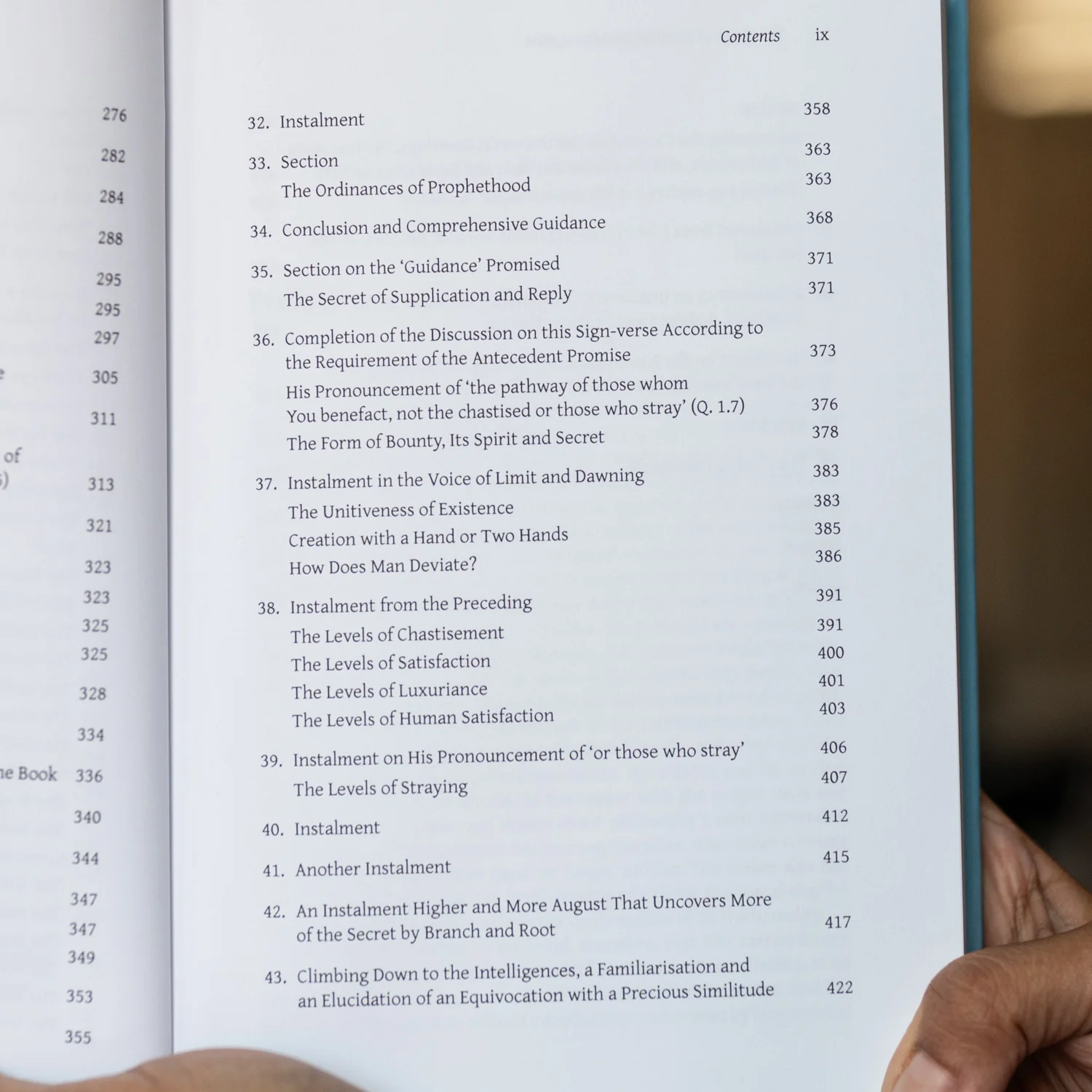
The Introduction also summarizes the key ideas of the book and explains their significance to philosophy. In Part One Qunawi begins by arguing that the failure of theoretical proofs to establish the reality of a thing does not itself disprove that reality. He elucidates the canons of thinking in relation to 'tasting' (experience) and the question of the 'realities of things' where knowing and being unfold dynamically from their 'root' in divine hiddenness and manifestation.
He goes on to detail the concepts and the rules of relational subordination that govern these realities according to rootedness and mutual distinctions. Many of these tools are derived from linguistics, which the translator brings to bear on Qunawi's work for the first time. They enable him to transform the narrow sense in which Ibn Sina declared man incapable of grasping the realities of things.
In the end, according to Qunawi, without a proper understanding of rootedness as the source of the realities' mutual distinctions, thinking remains relational, unequal to the thinking subject's goal of self-realization and incapable of fully rendering the real (not to be confused with empirical facticity) without folding back on itself. In Part Two he details the semiology by which, not only the contents of the Qur'an but, primarily the ontological dimensions of God's speech are disclosed as the veiling and unveiling, exteriorization and interiorization of being.
Product Information
Product Information
Shipping & Returns
Shipping & Returns
Description
Anthony F Shaker
Hardback, 558 pages
9781800504165
A Translation of Kitab I'jaz Al-Bayan Fi Tafsir Umm Al-Kitab by Sadr Al-Din Qunawi
Sadr al-Din Qunawi (d. 1274) is arguably the most important thinker of the generation following the main founders of medieval philosophy--al-Farabi, Ibn Sina, Ibn 'Arabi and Suhravardi--and before Mulla Sadra. Yet, almost nothing of his writings has been translated into English.
In this influential work he independently explores speech (divine and human) as the unfolding relationality of knowing and being. This is the first annotated translation of his magnum opus The Limits of Discursive Interpretation. The Translator's introduction and notes shed a detailed light on the linguistic sources of Qunawi's lexicon.
The Introduction also summarizes the key ideas of the book and explains their significance to philosophy. In Part One Qunawi begins by arguing that the failure of theoretical proofs to establish the reality of a thing does not itself disprove that reality. He elucidates the canons of thinking in relation to 'tasting' (experience) and the question of the 'realities of things' where knowing and being unfold dynamically from their 'root' in divine hiddenness and manifestation.
He goes on to detail the concepts and the rules of relational subordination that govern these realities according to rootedness and mutual distinctions. Many of these tools are derived from linguistics, which the translator brings to bear on Qunawi's work for the first time. They enable him to transform the narrow sense in which Ibn Sina declared man incapable of grasping the realities of things.
In the end, according to Qunawi, without a proper understanding of rootedness as the source of the realities' mutual distinctions, thinking remains relational, unequal to the thinking subject's goal of self-realization and incapable of fully rendering the real (not to be confused with empirical facticity) without folding back on itself. In Part Two he details the semiology by which, not only the contents of the Qur'an but, primarily the ontological dimensions of God's speech are disclosed as the veiling and unveiling, exteriorization and interiorization of being.